What is a Septic Tank?

Domestic sewage from toilets and wastewater from sinks, showers and washing machines flow into the septic tank. Heavier solid matter sinks to the bottom of the septic tank and forms sludge, while lighter materials like fats, oils and greases float to the top and form scum.
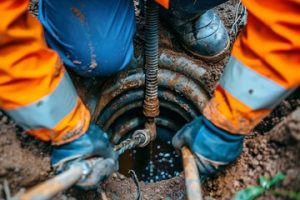
Septic

Effluent water exits the septic tank through perforated pipes into a constructed absorption or “leach” field. Bacteria in the leach field further break down any residual pollutants.

A septic tank is a system for treating wastewater on your property, usually in rural areas where you’re not connected to the main sewage network. It’s made up of a series of components that collect and retain household sewage, remove wastewater pollutants, and return the treated effluent to your soil or environment via infiltration.

Wastewater from your toilets (called black water) and from your kitchen sinks, bathtubs, laundry machines, and dishwashers flows into the septic tank. Heavier solid matter sinks to the bottom of the tank and forms sludge, while lighter matters such as fats, oils, and greases float to the top and form scum. Anaerobic organisms in the septic tank break down these organic wastewater pollutants, converting them to inert matter. This process is very slow and can only be done by a combination of biological and mechanical processes.

When the septic tank is full, it will discharge into a perforated pipe that leads to an absorption field, also called a lateral field or drain field. The partially-treated wastewater flows into this area, where it’s absorbed into the soil and groundwater by microorganisms in the gravel and grass above.

Some septic tanks may also have an effluent filter, which is a device that reduces concentrations of organic materials, suspended solids, pathogens, and nutrients like phosphorus or nitrogen. If your septic tank has an effluent filter, it’ll need to be regularly cleaned, ideally when you have the tank desludged.

A septic system should always have a vent stack. It’s important to ensure that the system is properly vented so that gases can escape, which prevents them from contaminating the surrounding environment or causing problems with your home plumbing.

A septic system needs regular maintenance, including pumping and inspections. Pumping is important, because the septic tank fills up with sludge and scum over time, which can then leak out of the tank into the absorption field. This can be messy and costly, so you should have your septic tank pumped on a regular basis. It’s recommended to have your septic tank pumped twice over 2 or 4 years, with sludge level measurements taken so that you can determine how often your septic system needs to be pumped.

How Does a Septic Tank Work?

Wastewater from toilets (called black water) and drains from your kitchen, bathtub, sink, washing machine and dishwasher (called grey water) run through a main drainage pipe to your septic tank. Solid materials in the wastewater like hair, soap scum, fats and oils sink to the bottom of your septic tank and form sludge. Liquid wastewater passes through an effluent filter near the septic tank outlet and is pushed to your septic system’s drain field by gravity.

A baffle wall, sometimes called a partition wall or divider wall, directs the incoming raw sewage downward to the mid-level of your septic tank. This design keeps surface scum from entering the septic tank and reduces wastewater agitation, which makes it easier for solids to settle on the bottom of your septic tank.

As wastewater flows into your septic tank, bacteria inside the septic tank begin to break down these organic wastewater pollutants. Some of this breakdown occurs in the sludge layer at the bottom of your septic tank while other bacteria (anaerobic) in the scum layer at the top of your septic tank feed on fatty acids and other floating debris. The resulting liquid wastewater, called effluent, exits the septic tank into your septic system’s drain field where soil bacteria and sand filtration finish the treatment process.

If too much sludge or scum accumulates in your septic tank, it will overflow into the drainage field and cause the sewage to seep out onto the ground surface where it exposes people and pets to disease-causing organisms. This is why it’s important to have your septic tank pumped regularly.

You may have seen hardware stores selling septic tank additives that claim to provide additional bacterial activity or promote faster septic tank emptying. However, these bacterial spores need oxygen to grow and are typically used in conjunction with other tank cleaning products. Adding them on their own will only delay your septic tank pumping. You should also avoid flushing anything other than toilet paper and human waste into your septic tank. Items that you flush down the drain like handi-wipes, grease, oil, paper towel and feminine hygiene products can clog the pipes that lead from your septic tank to your septic system’s leach field.

What is a Septic System?

A septic system is an on-site wastewater treatment and disposal system used to manage waste from household plumbing like toilets, kitchen drains, laundry, and more. It uses natural processes and technology to purify wastewater and drive it into the soil for absorption. Almost one in five homes in the US is on its own septic tank instead of connected to the public sewer.

A Septic System contains a series of components including a septic tank, an absorption field or leach field, and a sand filter. A septic system must be located on a site with adequate depth and suitability of soil to effectively treat the wastewater.

Wastewater enters the septic tank through an inlet pipe and is kept there until bacteria decompose some of the waste materials. Heavy solids, such as feces and toilet paper, will settle to the bottom layer in the septic tank called sludge. Oils and grease float to the top and form a layer called scum. The liquid portion of the wastewater flows through a perforated outlet that should have a screen or filter to block large debris.

Once the septic tank is full, it is pumped out to the distribution box via the inlet and outlet pipes. The distribution box is a small, round or rectangular watertight container made of concrete or plastic that sits underground. It is connected to the outlet pipe on the septic tank on one end and a series of pipes leading to the drain field on the other end. The distribution box’s role is to receive the septic tank effluent and evenly distribute it into the pipes that disperse it in the drain field. Uniformly distributed wastewater ensures the drain field works effectively and prevents one area from becoming overloaded with sewage.

An effluent filter is a device that sifts out the remaining waste materials, allowing the bacterial process to finish breaking down harmful pollutants. A septic tank with an effluent filter requires regular cleaning. Depending on the size of your septic system and how much you use it, you may need to clean your effluent filter every time your septic tank is emptied (desludged). If not cleaned regularly, the filter could clog and allow sewage to enter the home or yard.

How do I Maintain a Septic System?

The wastewater that flows from your home’s toilets, showers and sinks goes down a drain and into the main pipe that leads to your septic tank. The septic tank is typically a large concrete box. Heavier solid waste sinks to the bottom of the tank to form sludge while oils and greases float to the top of the tank to form scum. Bacteria inside your septic system decompose the sludge and scum into inert matter that can pass through the outlet of the septic tank.

When the septic tank is full, it must be pumped out. You can extend the life of your septic tank and system by limiting what is poured into it, including kitchen, bath and laundry products.

It is also important to have your septic tank inspected by a professional and pumped out as needed. Your septic technician can check for baffles that may be missing or broken which can lead to clogs.

Keeping an accurate maintenance record for your septic tank, including dates of pumping and inspections is crucial. This will help you avoid problems, such as the awful odors that can occur from a failing septic system. This record will also come in handy if you decide to sell your home in the future as it can show prospective buyers what has been done to keep the septic system in good working order.

A properly functioning septic system can protect your family’s health and the environment. However, septic systems that are not well-maintained or are failing can contaminate nearby drinking water wells and surface water bodies. The pathogenic bacteria and viruses that septic systems can release into waterbodies can cause illness in humans and animals. Excess nutrients from septic systems can also lead to harmful algal blooms that use up oxygen in water, threatening fish and other aquatic life.

Some simple steps can greatly improve the condition of your septic system and prevent it from needing to be pumped or replaced. Do not flush items that do not break down, such as feminine hygiene products, paper towels, cigarette butts, dental floss and cat litter. These items can enter the septic tank and clog it or the lateral field and cause wastewater to seep into the groundwater.
Move-In and Move-Out Cleaning Services: What to Expect and Why They Matter

Relocating to a new home or apartment is often an exciting life event, but it comes with a unique set of challenges. Among the most critical—and frequently overlooked—tasks is ensuring that the space is thoroughly cleaned. This is where professional move-in and move-out cleaning services prove invaluable. These services are designed to make the transition smoother, healthier, and more efficient, allowing property owners and tenants to focus on the logistics of moving without compromising cleanliness or safety. Understanding what these cleaning services entail and why they are important helps homeowners and renters make informed decisions during the relocation process.

Move-in Cleaning Services Salt Lake City are tailored to prepare a new property for occupancy. A professionally cleaned space ensures that the home is sanitary, safe, and welcoming for new residents. These services go far beyond basic surface cleaning. They typically include deep cleaning of kitchens, bathrooms, bedrooms, and living areas, ensuring that every nook and cranny is free of dust, grime, and lingering odors. Kitchen cleaning often involves scrubbing countertops, cabinets, sinks, and appliances, while bathroom cleaning targets tiles, fixtures, mirrors, and even grout. For new homeowners, entering a freshly cleaned environment provides peace of mind and allows them to settle in without the stress of performing extensive cleaning tasks immediately after moving.

cleaning services

Move-out cleaning services, on the other hand, are focused on preparing a property for the next occupant or ensuring compliance with lease agreements. When tenants vacate a rental property, landlords often require that the space is returned to a spotless condition to qualify for a full security deposit refund. Move-out cleaning involves detailed attention to areas that are frequently neglected during regular cleaning, such as baseboards, window tracks, vents, light fixtures, and behind appliances. Professional cleaners also address carpet and floor care, removing stains, dirt, and odors accumulated over months or years of occupancy. By hiring professional move-out cleaning services, tenants reduce the risk of disputes with landlords and ensure a smooth handover of the property.

One of the key reasons move-in and move-out cleaning services are so essential is health and sanitation. Homes and apartments can harbor dust, allergens, bacteria, and even mold in hard-to-reach areas. Professional cleaning services use specialized equipment and cleaning solutions to remove these contaminants effectively. This is particularly important for families with young children, elderly residents, or individuals with respiratory conditions, as a thoroughly cleaned environment reduces the risk of illness and promotes overall well-being. In addition, sanitizing high-touch surfaces such as doorknobs, light switches, and countertops provides added protection against germs and bacteria during a period when people are most vulnerable to exposure.

The scope of move-in and move-out cleaning services often includes several core components. First, dusting and vacuuming are performed throughout the property, reaching areas that are typically overlooked during routine cleaning. Second, floors are treated according to the surface type, whether that involves deep carpet cleaning, mopping hardwood, or scrubbing tile. Third, kitchen and bathroom surfaces receive concentrated attention, with sinks, counters, cabinets, and fixtures cleaned and sanitized. Finally, additional services such as window washing, wall cleaning, and appliance detailing are offered to ensure a comprehensive result. The exact services may vary depending on the size of the property and the specific needs of the client.

Property owners and tenants alike benefit from hiring professional cleaners due to time efficiency and thoroughness. Relocating often involves packing, organizing, transporting belongings, and coordinating schedules. Attempting to clean an entire property during this busy time can be overwhelming and may result in subpar results. Professional move-in and move-out cleaning services provide a reliable solution, allowing clients to focus on other aspects of the moving process. Cleaning teams are trained to work systematically, ensuring that every area is addressed quickly and efficiently without compromising quality.

Another advantage of professional move-in and move-out cleaning is the use of specialized tools and products. Cleaners have access to high-grade vacuums, steam cleaners, microfiber cloths, and industrial-strength disinfectants that achieve results far beyond standard household equipment. These tools are particularly effective for deep-cleaning carpets, removing stubborn stains, and sanitizing bathrooms and kitchens. Additionally, many services offer eco-friendly cleaning products, which minimize environmental impact while maintaining a high standard of cleanliness. For environmentally conscious individuals, this combination of effectiveness and sustainability is an added benefit.

Move-in and move-out cleaning services also provide peace of mind in financial and legal contexts. For tenants, returning a rental property in pristine condition often directly affects security deposit returns. For property owners, a professionally cleaned space enhances marketability, allowing for faster occupancy and fewer complaints from new tenants. In either case, professional cleaning reduces disputes and creates a smoother transition for all parties involved. By documenting the cleaning process, some services also provide evidence of completed work, which can be useful in case of disagreements or lease requirements.

There are several tips for homeowners and tenants to maximize the benefits of move-in and move-out cleaning services. First, scheduling the cleaning in advance ensures that the property is ready at the appropriate time, whether for move-in or handover. Second, providing a checklist of priorities allows cleaners to focus on the areas that matter most to the client. Third, communicating any special needs, such as dealing with pet stains, deep carpet cleaning, or appliance detailing, ensures that the service is customized for optimal results. By planning and maintaining clear communication, clients can ensure that professional cleaning meets their expectations and timelines.

Move-in and move-out cleaning is not just about aesthetics; it has long-term benefits as well. A freshly cleaned home reduces dust accumulation and the presence of allergens, which contributes to better air quality and a healthier living environment. Thorough cleaning of kitchens and bathrooms helps prevent the growth of bacteria and mold, protecting surfaces and structural materials over time. For families, starting life in a clean space sets a positive tone for home hygiene practices, reinforcing daily habits that contribute to ongoing cleanliness and well-being.

The process of move-in and move-out cleaning can also include specialized add-ons. For instance, carpet steam cleaning removes embedded dirt and odors, leaving the flooring refreshed and sanitized. Window washing enhances natural light and improves curb appeal. Cabinet and appliance detailing ensures that kitchens are both clean and functional. Some services offer wall washing to remove scuffs, fingerprints, and residue, leaving a property looking as close to new as possible. These additional services provide comprehensive results that exceed the scope of basic cleaning, giving clients peace of mind that every detail has been addressed.

Ultimately, move-in and move-out cleaning services are about convenience, efficiency, and quality. Relocating is a stressful and time-consuming process, and leaving cleaning tasks to professionals allows clients to focus on settling in or finalizing a move. The combination of expertise, specialized tools, and systematic approaches ensures a level of cleanliness that would be difficult to achieve alone. For property owners and tenants alike, investing in professional cleaning services protects health, safeguards financial interests, and improves the overall moving experience.

Property owners also benefit from the aesthetic appeal and market readiness that professional cleaning provides. A spotless property is more attractive to prospective tenants or buyers, reducing vacancy periods and enhancing perceived value. Similarly, tenants who leave a property in excellent condition are more likely to maintain positive relationships with landlords and avoid disputes over deposits or maintenance issues. The ripple effects of professional move-in and move-out cleaning extend beyond immediate hygiene, influencing reputation, satisfaction, and long-term property management outcomes.

In conclusion, move-in and move-out cleaning services are a crucial part of the relocation process. They offer thorough cleaning, sanitation, and attention to detail that enhance the health, safety, and appeal of a property. By understanding what these services entail, clients can set realistic expectations, plan appropriately, and take advantage of the comprehensive solutions available. From deep cleaning kitchens and bathrooms to addressing carpets, floors, and windows, professional cleaning ensures a smoother, more efficient, and more satisfying transition. Whether preparing to welcome new residents or leaving a property behind, move-in and move-out cleaning services provide peace of mind, improved health conditions, and long-lasting benefits that extend well beyond the moving day itself.